High-Density Development Impacts to Agriculture Areas
Impacts
High-density development in agricultural zones presents an urgent challenge that demands careful consideration. As pressure for growth increases, the unchecked expansion of dense residential development into rural areas risks irreversible harm to our agricultural land base, water supply, and environmental integrity. These impacts not only undermine the city and county’s long-term sustainability goals but also threaten the rural character and agriculture heritage of our communities.
Infrastructure
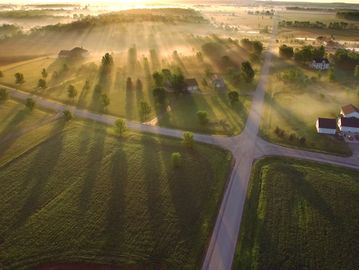
High-density developments in agricultural zones impose severe and often overlooked burdens on critical infrastructure systems. Rural roads, originally built for light, low-volume traffic, rapidly deteriorate under increased usage, leading to unsafe conditions and costly repairs. Existing water, sewage, and utility networks—typically minimal in farming regions—are ill-equipped to support dense populations, necessitating expensive upgrades that strain limited local budgets.
Environmental
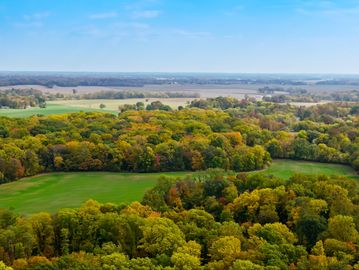
High-density development in agricultural areas undermines environmental integrity by disrupting natural processes, polluting water and air, and reducing the ecological value of rural landscapes. Protecting these areas through responsible planning and conservation efforts is critical to ensuring environmental resilience and long-term sustainability.
Watershed
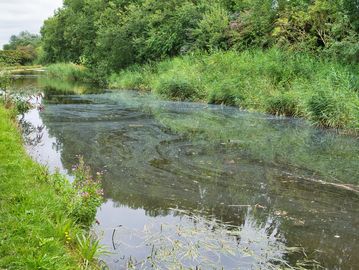
High-density developments in agricultural areas pose serious threats to the health and sustainability of local watersheds. As impervious surfaces replace open land, natural water infiltration is drastically reduced, leading to increased stormwater runoff, erosion, and flooding. This runoff often carries pollutants—such as oils, fertilizers, and pesticides—into nearby waterways, degrading water quality and harming aquatic ecosystems.

Water Supply
As rural and agricultural communities face increasing pressure from suburban sprawl and high-density zoning, one of the most critical—and often underappreciated—consequences is the strain placed on local water supplies. Agricultural areas depend heavily on consistent access to clean, abundant water for crop irrigation, livestock care, and long-term soil productivity.
Traffic & Noise
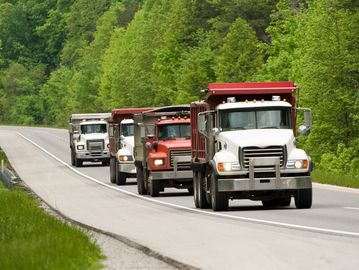
As high-density developments expand into traditionally rural and agricultural areas, they bring with them significant changes to the environment and surrounding community. Among the most immediate and disruptive effects are increases in traffic congestion and noise pollution—two issues that can fundamentally alter the quality of life, safety, and functionality of agricultural regions.

Schools
High-density development in agricultural areas can create substantial challenges for rural schools. Sudden increases in student enrollment may overwhelm limited classroom space, strain staffing levels, and reduce the quality of educational support services. Older facilities may require costly upgrades to handle larger populations. Transportation systems are also affected, as more households generate longer and more complex bus routes, increased fuel use, and higher operational demands.
City of Goshen Impacts
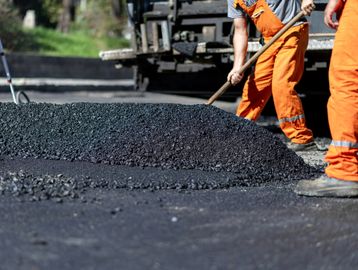
Road Maintenance & Traffic Flow
Local governments often face unexpected and unbudgeted road repair and maintenance costs.
Infrastructure upgrades (e.g., widening roads, adding traffic signals, paving roads) are often pushed through to accommodate development, disrupting farmland and rural character. Increased vehicle volumes on narrow, rural roads lead to increased congestion, delays and safety risks.

Public & Emergency Services
As high-density development expands into traditionally rural and agricultural areas, it places significant strain on public and emergency services that were never designed to support dense populations. These services—including fire protection, law enforcement, EMS, and schools—can become overextended, underfunded, and less effective, resulting in reduced safety, slower response times, and increased costs for local governments and taxpayers.

Character & Integrity of the Area
As pressure for growth increases, the unchecked expansion of dense residential development into rural areas risks irreversible harm to our agricultural land base, water supply, and environmental integrity. These impacts not only undermine the city’s and county's long-term sustainability goals but also threatens the rural character and farming heritage our community depends on.
Add a footnote if this applies to your business